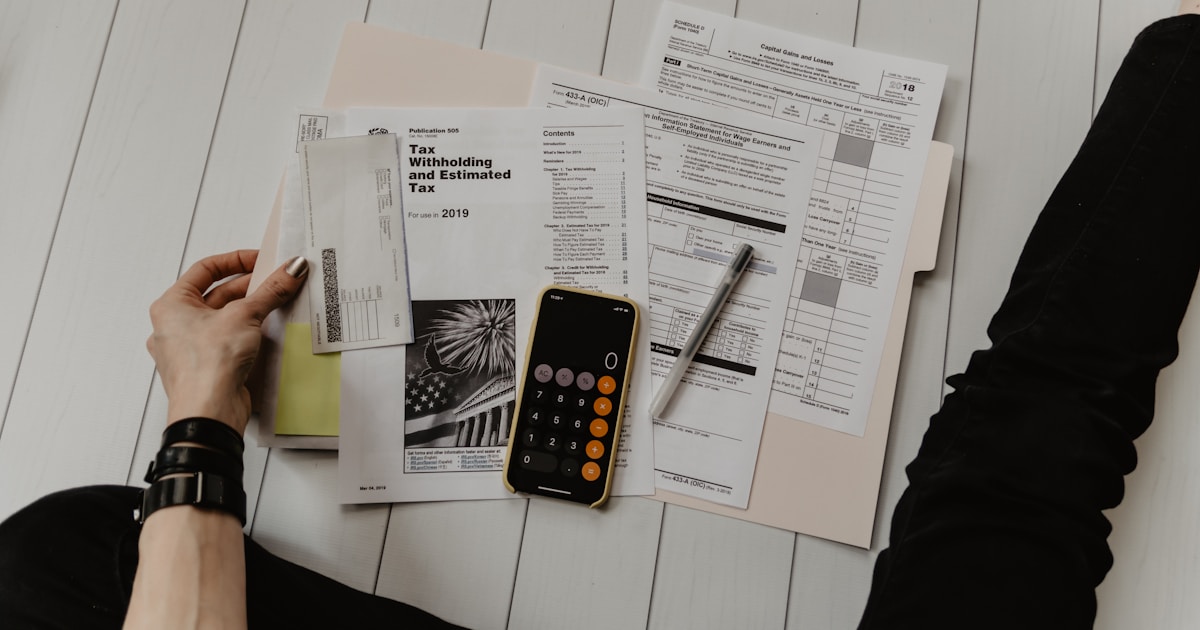
VAT Exempt Goods and Services: Understanding Exemptions
VAT exemptions are a crucial aspect of the tax system, designed to reduce the cost of essential services and avoid administrative burden on certain activities. However, exemption isn't always beneficial – understanding when it applies and its implications is essential for businesses.
According to the European Commission, VAT exemptions are harmonized across the EU through the VAT Directive, though member states have some flexibility in application.
Exempt vs. Zero-Rated: The Critical Difference
Exempt Supplies
- No VAT charged on sales
- Cannot recover input VAT on related purchases
- Not included in taxable turnover
- May affect VAT registration threshold
Zero-Rated Supplies
- 0% VAT charged on sales
- CAN recover input VAT on related purchases
- Included in taxable turnover
- Still counts toward VAT registration
| Aspect | Exempt | Zero-Rated |
|---|---|---|
| VAT on sales | None | 0% |
| Input VAT recovery | No | Yes |
| In taxable turnover | No | Yes |
| Examples | Medical, Education | Exports, Children's clothes (UK) |
This difference is crucial – zero-rating is generally more favorable for businesses as it allows VAT recovery.
Healthcare Exemptions
Medical Services
Medical services provided by registered healthcare professionals are typically exempt:
- Doctors and physicians
- Dentists
- Nurses and midwives
- Physiotherapists
- Psychologists and psychotherapists
- Opticians (eye care services)
Hospital Care
- Inpatient services
- Outpatient treatment
- Diagnostic services
- Laboratory tests
Pharmaceuticals
Treatment varies by country:
| Country | Prescription Medicines | OTC Medicines |
|---|---|---|
| UK | 0% (zero-rated) | 0% |
| Germany | 19% standard | 19% |
| France | 2.1% - 10% reduced | 10% |
| Italy | 10% reduced | 10% - 22% |
| Spain | 4% super-reduced | 4% - 21% |
Note: Medical devices often have reduced rates rather than exemption.
👉 Calculate by country: VAT Calculator
Education Exemptions
School and University Education
- Public education at all levels
- Vocational training
- Private schools and universities (with conditions)
- Distance learning courses
Exemption Conditions
Educational exemptions typically require:
- Recognition by public authorities
- Non-profit status (in some countries)
- Educational purpose as main activity
What's NOT Exempt
- Commercial training (e.g., driving schools in most countries)
- Recreational classes (dance, sports)
- Equipment and materials (textbooks may be reduced rate)
Financial Services Exemptions
Banking Services
- Deposit and current accounts
- Lending and credit
- Money transmission
- Currency exchange (the margin is taxable in some jurisdictions)
Insurance
- Life insurance
- Health insurance
- Property insurance
- Insurance brokerage
Investment Services
- Fund management
- Securities transactions
- Investment advice (varies by country)
Payment Services
- Payment processing
- Credit card services
- Electronic money services
Important: Financial services exemption often cannot be waived, meaning banks cannot charge VAT even if customers could recover it.
Real Estate Exemptions
Residential Property
- Sale of residential property (after first occupation)
- Residential lettings
- Lease of residential land
Commercial Property
Treatment varies significantly:
| Transaction | Typical Treatment |
|---|---|
| New commercial building | Taxable |
| Sale of existing building | Exempt (option to tax available) |
| Commercial lease | Often exempt (option to tax) |
| Short-term accommodation | Reduced rate (hotels) |
Option to Tax
In many countries, businesses can choose to charge VAT on property transactions to recover input VAT on construction/renovation.
👉 Learn more: VAT on Real Estate
Insurance Services
All insurance transactions are typically exempt:
- Premium payments
- Claims handling
- Insurance brokerage
- Reinsurance
This exemption aims to avoid double taxation, as insurance premiums often include Insurance Premium Tax (IPT).
Postal Services
Universal Postal Service
- Letters and small parcels (postal monopoly services)
- Typically provided by national postal operators
NOT Exempt
- Express delivery services (DHL, FedEx, UPS)
- Private courier services
- Parcel services beyond universal service
Charitable Activities
Qualifying Organizations
- Registered charities
- Non-profit organizations
- Religious organizations
- Public interest bodies
Exempt Activities
- Fundraising events (with conditions)
- Goods donated to charity (for onward sale)
- Welfare services
- Cultural services by non-profits
Taxable Activities
- Commercial trading by charities
- Sales of goods (charity shops often exempt)
- Services to non-members
Gambling and Lottery
- Lottery tickets
- Betting services
- Casino games
- Bingo
Note: Gambling is exempt from VAT but subject to specific gambling taxes in most jurisdictions.
Cultural Services
Exemptions often apply to:
- Museums (public)
- Libraries (public)
- Art galleries (public)
- Certain performances (non-commercial)
Countries vary significantly in cultural exemptions.
Partial Exemption: Mixed Supplies
When a business makes both taxable and exempt supplies:
Partial Exemption Rules
- Must apportion input VAT
- Only recover VAT relating to taxable supplies
- Various calculation methods available
Calculation Methods
- Turnover-based: Pro-rata based on turnover split
- Direct allocation: Allocate costs directly where possible
- Special methods: Agreed with tax authorities
De Minimis Rules
Many countries have de minimis thresholds:
| Country | De Minimis |
|---|---|
| UK | £625/month & 50% of total input VAT |
| Germany | 10% of input VAT |
| France | Various thresholds |
Country Comparison: Key Exemptions
| Service | UK | Germany | France | Italy |
|---|---|---|---|---|
| Medical | Exempt | Exempt | Exempt | Exempt |
| Education | Exempt | Exempt | Exempt | Exempt |
| Banking | Exempt | Exempt | Exempt | Exempt |
| Insurance | Exempt | Exempt | Exempt | Exempt |
| Residential rent | Exempt | Exempt | Exempt | Exempt |
| Postal (universal) | Exempt | Exempt | Exempt | Exempt |
Impact on Businesses
When Exemption is Disadvantageous
- High input VAT on purchases
- B2B customers who could recover VAT
- Competing with taxable suppliers
Strategies
- Restructure: Separate exempt and taxable activities
- Option to tax: Where available (property)
- Review regularly: Rules change
Official Resources
Conclusion
VAT exemptions cover essential services like healthcare, education, and financial services. However, exemption isn't always beneficial due to inability to recover input VAT. Understanding the difference between exempt and zero-rated, and managing partial exemption correctly, is crucial for tax efficiency.
Key takeaways:
- Exempt ≠ Zero-rated: Critical difference for VAT recovery
- Healthcare, education, financial services typically exempt
- Partial exemption rules apply to mixed businesses
- Option to tax available for some property transactions
Related articles:
Last updated: January 2025.